During my studies in the MA Character Animation program at CSM, I have developed a strong interest in the field of stop-motion animation and hope to pursue a career in this industry after graduation. To prepare for this, I conducted some research on the current state of stop-motion animation in China. Unfortunately, due to the high production costs and long timelines of stop-motion, the Chinese animation market is still dominated by 2D and 3D animation. Studios specializing in stop-motion are relatively few and mostly operate as small independent collectives.
Recently, I discovered Kytoon Studio, a Shanghai-based stop-motion animation company founded in 2016. The team consists of experienced members with backgrounds in both animation production and international 4A advertising. In 2021, Kytoon became one of Disney’s official animation partners in mainland China, producing a series of stop-motion projects for Shanghai Disneyland. They have also created commercial works for brands such as Cadillac, Oreo, McDonald’s, Starbucks, KFC, and Toyota. Additionally, Kytoon’s original works have been selected for major international film festivals including Berlin and Venice. The studio’s team includes puppet makers, cinematographers, animators, lighting artists, and post-production designers. Kytoon is considered one of the most professional and representative stop-motion studios in China.
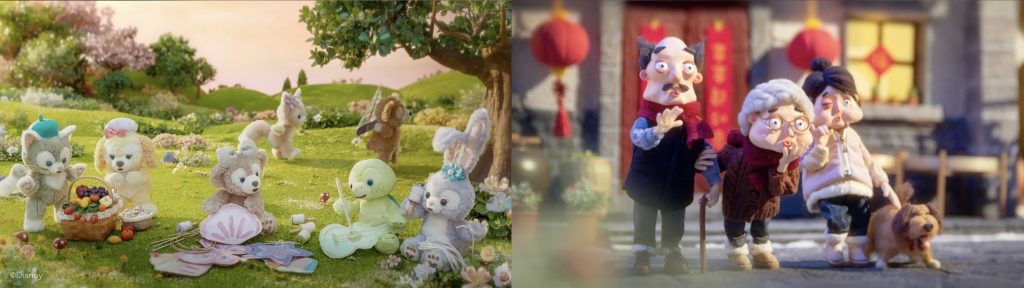
If I had the opportunity to join this studio, I would most like to work as a puppet maker, as I believe this role is one of the most creative and essential parts of stop-motion animation. A professional puppet maker is responsible for designing the character’s appearance based on the director’s and art director’s vision, creating character sheets, and considering facial expressions and body articulation. They must also choose appropriate materials — whether metal armatures, fabrics, wool, or clay — and collaborate closely with directors and cinematographers to ensure the puppets perform effectively on camera. After fabrication, puppet makers conduct movement tests and are also responsible for repairing and maintaining puppets during production. I had some experience with this process during my previous LIAF project, which gave me confidence in taking on this role.
The process of puppet making is both challenging and rewarding. It requires patience and precision, from sculpting the puppet’s body to sewing miniature costumes and assembling limbs. Seeing a puppet gradually come to life through my hands brings an immense sense of accomplishment. Communication is also key in this role, as puppet makers must stay in close contact with the creative team to ensure their designs fit the overall tone and style of the animation. Sometimes my own ideas may not perfectly align with the director’s vision, and learning to listen and adapt is an essential part of the creative process.
In conclusion, exploring Kytoon Studio and the role of a puppet maker has deepened my understanding of how craftsmanship and collaboration come together in stop-motion animation. I aspire to continue developing my technical and artistic skills in this field and to contribute to bringing tactile, handcrafted storytelling to life in future stop-motion projects.
Leave a Reply