For the Silent Film project, I came up with a small story about cooking. The plot revolves around the protagonist preparing a delicious meal and thoroughly enjoying the process when, unexpectedly, the pan handle breaks. The pan and food are flung toward the ceiling, and everything ends in chaos. This idea was inspired by a pan in my kitchen, where the loose screws on the handle sparked my imagination.
Once I had this idea, I immediately sketched out the storyboard and actively discussed my concept with Ko.
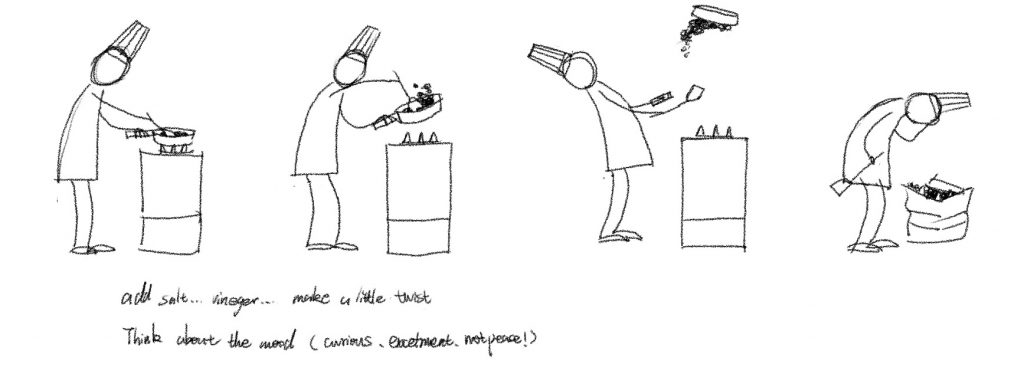
Ko gave me some valuable feedback, such as exploring the character’s emotions throughout the process—are they excited, curious, or perhaps so hungry they’re utterly exhausted? She also suggested adding more details to the cooking sequence, like the process of adding ingredients, which could make the character’s movements more dynamic. These suggestions pushed me to think deeper about the narrative. Emotions are an indispensable part of animated storytelling, especially for a Silent Film, where there’s no dialogue, and the story relies entirely on body language and facial expressions to convey feelings to the audience.
Taking Ko’s advice, I added scenes where the character pauses to think, becomes curious about the spices, and rubs their hands together while eagerly anticipating the meal. These subtle actions helped emphasize the character’s excitement and impatience.

Next, I acted out the series of movements myself and recorded a video as a reference to better understand how the character should react.
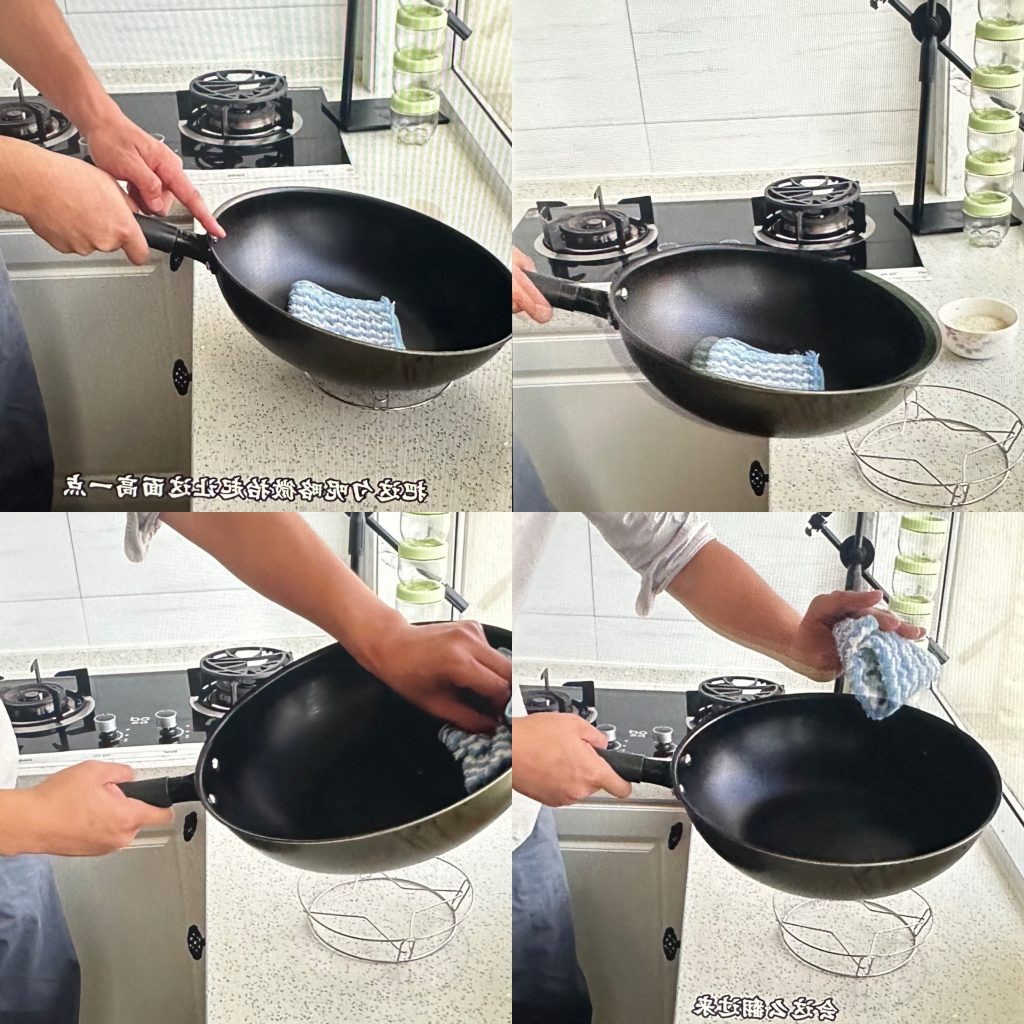
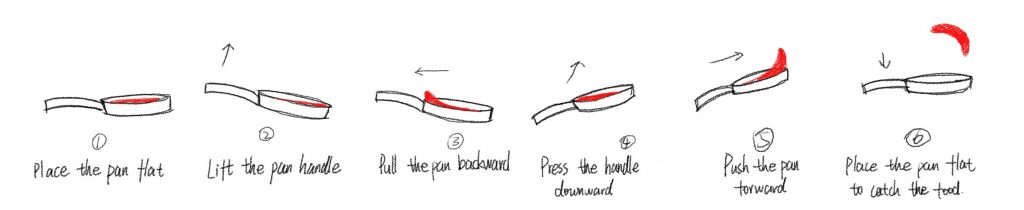
To highlight the character’s cooking skills, I designed two smooth pan-flipping actions. However, while filming the reference video, I realized I didn’t know how to flip a pan properly. So, I watched several tutorial videos online and took detailed notes to ensure the animation looked believable.
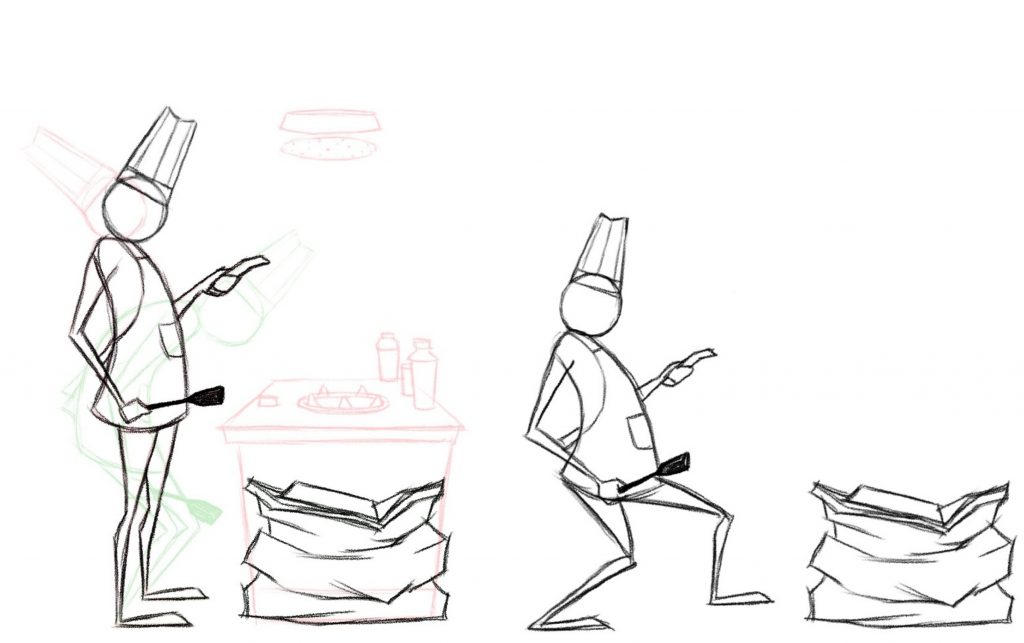
When the keyframes were mostly complete, I received more feedback from Vivi. She pointed out that when the pan and food are flung toward the ceiling and crash onto the floor—marking the climax of the animation—the character’s reaction could be more exaggerated. Instead of simply standing still, quickly stepping backward could make the scene more dynamic. After incorporating her suggestions, I was amazed at how much more vivid and lifelike the character became. I realized that a touch of exaggeration can effectively convey emotions.
Through the Silent Film project, I learned a great deal. I gained a deeper understanding of the importance of character emotions and how to use body language to express different feelings. I also learned the value of exaggerating movements to intensify emotions and how to control the pacing of the animation. However, I also noticed areas where I need improvement, such as making the character’s movements less stiff and ensuring smoother transitions between actions. I hope to overcome these challenges in my future studies.
Leave a Reply